
Embark on a journey through the realm of Global Investment Opportunities in 2024, where lucrative prospects await savvy investors seeking to capitalize on the ever-evolving financial landscape.
Delve into the intricacies of emerging markets, geopolitical influences, and expert advice that shape the investment horizon of tomorrow.
Global Investment Opportunities in 2024
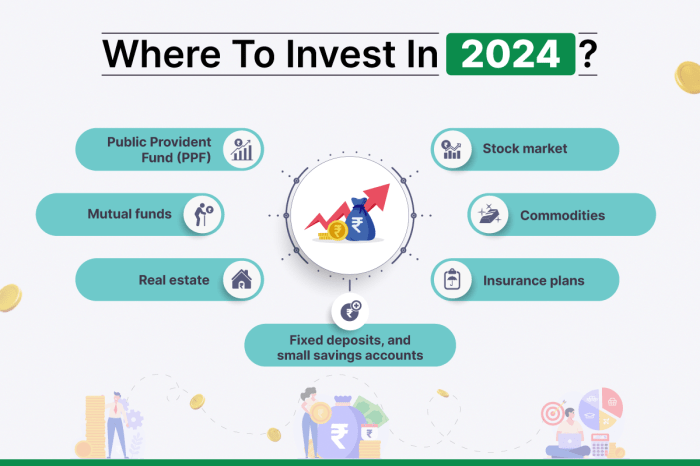
The current global investment landscape is dynamic, with various factors influencing opportunities for investors. Emerging markets are particularly attractive due to their growth potential and opportunities for high returns. Geopolitical events play a significant role in shaping investment opportunities, as they can impact market stability and investor confidence.
Emerging Markets with Potential Growth Opportunities
Emerging markets such as India, Brazil, and Indonesia are attracting investors due to their growing economies and expanding middle class. These markets offer opportunities in sectors like technology, renewable energy, and consumer goods, providing investors with diversification and potential for high returns.
Impact of Geopolitical Events on Investment Opportunities
Geopolitical events such as trade wars, political instability, and global conflicts can create uncertainty in the investment landscape. Investors need to closely monitor these events and assess their potential impact on markets. For example, trade tensions between major economies can lead to market volatility, affecting investment decisions and portfolio performance.
Investment Advice
For novice investors looking to enter the global market, it’s important to start with a solid foundation and understanding of the investment landscape. Here are some tips to help you navigate your way:
Diversification Strategies
- Spread your investments across different asset classes such as stocks, bonds, and real estate to reduce overall risk.
- Consider investing in different industries and sectors to further diversify your portfolio.
- Explore international markets to access a wider range of opportunities and spread risk geographically.
- Regularly review and rebalance your portfolio to ensure it aligns with your risk tolerance and investment goals.
Staying Updated on Global Investment Trends
- Follow financial news outlets and websites that provide up-to-date information on global markets and trends.
- Attend investment seminars, webinars, and conferences to gain insights from industry experts and network with other investors.
- Utilize online resources such as investment blogs, podcasts, and forums to stay informed and learn from the experiences of seasoned investors.
- Consider subscribing to investment research reports or newsletters that provide in-depth analysis and recommendations on global investment opportunities.
Investment Advisor
An investment advisor plays a crucial role in guiding individuals or organizations in making informed decisions regarding their investments. These professionals provide personalized advice based on their clients’ financial goals, risk tolerance, and market conditions.
Qualifications and Expertise
To become a successful investment advisor, one typically needs to have a strong educational background in finance, economics, or a related field. Additionally, obtaining relevant certifications such as the Chartered Financial Analyst (CFA) or Certified Financial Planner (CFP) can enhance credibility and expertise in the field. Continuous education and staying updated on market trends are also essential for providing sound investment advice.
Importance of Personalized Advice
Personalized investment advice is crucial in a global context as it considers individual circumstances and goals. A one-size-fits-all approach may not be suitable for diverse investors with varying risk profiles and financial objectives. By tailoring advice to each client, an investment advisor can help maximize returns while minimizing risks, taking into account global economic factors and market volatility.
Investment Banking
Investment banking plays a crucial role in facilitating global investment opportunities by providing a range of financial services to corporations, institutions, and governments. These services help clients raise capital, make strategic investment decisions, and navigate complex financial transactions.
Services Offered by Investment Banks
Investment banks offer a wide array of services to investors, including underwriting securities, providing merger and acquisition advisory services, facilitating debt and equity offerings, and managing asset portfolios. They also offer strategic financial advice, risk management solutions, and research on market trends to help clients make informed investment decisions.
- Underwriting Securities: Investment banks help companies issue stocks and bonds to raise capital by underwriting these securities and managing the process of selling them to investors.
- Mergers and Acquisitions Advisory: Investment banks assist clients in buying, selling, or merging with other companies by providing financial advice, conducting due diligence, and negotiating deals.
- Debt and Equity Offerings: Investment banks help companies raise capital through debt and equity offerings by structuring the transactions, pricing the securities, and marketing them to investors.
- Asset Management: Investment banks manage portfolios of assets for clients, providing investment advice, executing trades, and monitoring performance to achieve the client’s financial goals.
Impact of Investment Banking on Capital Markets
Investment banking plays a significant role in shaping capital markets worldwide by facilitating the flow of capital, driving economic growth, and enhancing liquidity in financial markets. Investment banks help companies access funding, support innovation and expansion, and promote market efficiency through their financial services and expertise.
Investment banking is a key driver of capital market activity, connecting investors with opportunities and helping companies achieve their strategic objectives.
Investment Horizon
Investment horizon refers to the length of time an investor plans to hold an investment before selling it for a profit. It is a crucial concept in long-term investing as it helps investors determine their financial goals, risk tolerance, and investment strategies.
Significance of Investment Horizon
- Long-term investment horizons typically involve lower risk tolerance as investors have more time to ride out market fluctuations and recover from any losses.
- Short-term investment horizons are more focused on quick profits and may involve higher risk due to market volatility.
- Understanding your investment horizon helps in choosing the right asset allocation and diversification strategy to achieve your financial goals.
Impact on Investment Strategies
- For long-term horizons, strategies like dollar-cost averaging and buy-and-hold investing are commonly used to benefit from compounding returns over time.
- Short-term horizons may involve more active trading strategies such as day trading or swing trading to capitalize on short-term market movements.
Examples of Investment Opportunities
- Long-term: Investing in index funds, real estate, or retirement accounts like 401(k) for steady growth over many years.
- Medium-term: Bonds, dividend-paying stocks, or ETFs for a balance of growth and income within a 3-5 year horizon.
- Short-term: Trading individual stocks, options, or commodities for quick profits within days or weeks.
Investment Opportunities
Investing in various sectors and industries can offer lucrative opportunities for investors looking to grow their portfolios. In 2024, certain sectors are expected to flourish, presenting attractive investment options. One such sector that holds promise is renewable energy, which has the potential to revolutionize the global energy landscape. Additionally, emerging markets offer both risks and rewards for investors seeking growth opportunities.
Renewable Energy Investments
Investing in renewable energy sources such as solar, wind, and hydroelectric power can yield significant returns while promoting sustainability and environmental conservation. The global shift towards clean energy solutions presents a growing market for renewable energy investments. Companies specializing in renewable energy technologies and infrastructure development are poised to benefit from increased demand for eco-friendly energy solutions.
Emerging Market Investments
Emerging markets, characterized by rapid economic growth and development, offer investors the potential for high returns. However, investing in emerging markets also comes with risks such as political instability, currency fluctuations, and regulatory challenges. It is essential for investors to conduct thorough research and due diligence before venturing into emerging market investments to mitigate risks and maximize rewards.
Investment Strategy
Developing a clear investment strategy is crucial for achieving long-term financial goals and minimizing risks. It involves setting specific objectives, determining the appropriate asset allocation, and establishing guidelines for making investment decisions.
Types of Investment Strategies
- Passive Investing: Involves buying and holding a diversified portfolio to track a market index, such as through index funds or ETFs. This strategy aims to match market returns rather than outperform them.
- Active Investing: Involves actively buying and selling securities in an attempt to outperform the market. This strategy requires research, analysis, and frequent monitoring of investments.
- Value Investing: Focuses on purchasing undervalued securities with the potential for long-term growth. Value investors seek to capitalize on market inefficiencies and discrepancies in stock prices.
- Growth Investing: Involves investing in companies with strong growth potential, even if their current stock prices may be high. This strategy aims to benefit from capital appreciation over time.
Adjusting Investment Strategies
In response to changing market conditions, investors may need to adjust their investment strategies. For example, during periods of economic uncertainty, it may be prudent to allocate more resources to defensive sectors like utilities and consumer staples. Conversely, in times of economic growth, investors may consider increasing exposure to sectors like technology and healthcare. Flexibility and adaptability are key to successfully navigating dynamic market environments.
As we conclude this insightful exploration, remember to seize the promising opportunities, stay informed, and craft a strategic approach to navigate the global investment terrain with confidence and foresight.
FAQ Explained
What are the key factors to consider when investing in emerging markets?
Emerging markets offer high growth potential but also come with higher risks due to volatility, political instability, and regulatory challenges. It’s crucial to conduct thorough research, diversify your portfolio, and stay informed about market trends.
How can novice investors benefit from diversification strategies?
Diversification helps spread risk by investing in different asset classes, industries, or geographic regions. Novice investors can reduce their exposure to individual stock volatility and enhance their chances of long-term success.
Why is personalized investment advice important in a global context?
Personalized advice takes into account an individual’s financial goals, risk tolerance, and investment timeline. In the global market, tailored guidance can help investors navigate diverse opportunities and mitigate potential risks effectively.


