
Embark on a journey to secure your financial future with Investment Horizon for Retirement Planning. Discover the key aspects that will shape your retirement strategy and pave the way for a prosperous tomorrow.
Introduction to Investment Horizon for Retirement Planning
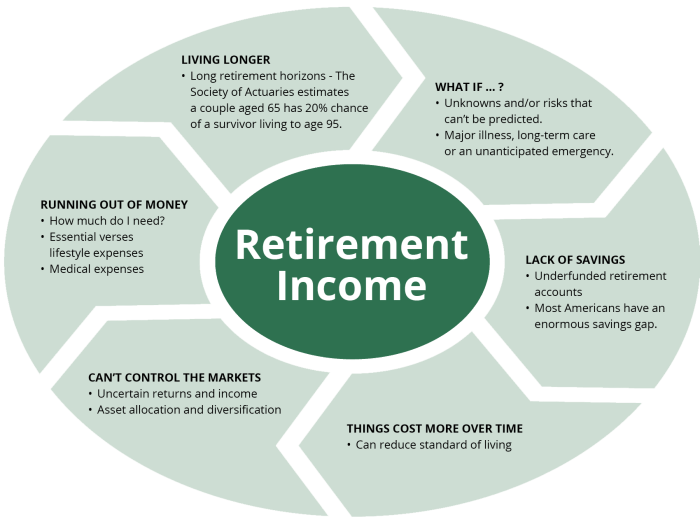
An investment horizon refers to the time period over which an individual plans to invest their money before needing to access it. In the context of retirement planning, understanding one’s investment horizon is crucial for making informed decisions about where to allocate funds and what level of risk to take on.
Importance of Investment Horizon
Knowing your investment horizon is essential because it directly influences the investment strategies you should adopt for your retirement savings. A longer investment horizon typically allows for more aggressive investment approaches, as there is more time to recover from market fluctuations and take advantage of compounding returns.
- Longer Investment Horizon: With a longer time frame until retirement, individuals can afford to invest in assets with higher volatility, such as stocks, which historically offer higher returns over the long term.
- Shorter Investment Horizon: On the other hand, a shorter investment horizon may require a more conservative approach, focusing on more stable investments like bonds or cash equivalents to protect capital.
- Balancing Risk and Return: Understanding your investment horizon helps strike a balance between risk and return that aligns with your retirement goals and risk tolerance.
Factors Influencing Investment Horizon
Investment horizon, the length of time an individual expects to hold an investment before needing to access the funds, is influenced by several factors. These factors can vary from person to person and can impact the overall investment strategy.Risk Tolerance:
Risk Tolerance
Risk tolerance is a crucial factor that influences an individual’s investment horizon. Those with a higher risk tolerance may have a longer investment horizon as they are willing to weather market fluctuations and volatility in pursuit of higher returns. On the other hand, individuals with a lower risk tolerance may prefer a shorter investment horizon to minimize potential losses.Time Horizon:
Time Horizon
The time horizon until retirement or any other financial goal plays a significant role in determining the investment horizon. Younger individuals with a longer time horizon until retirement may have a more extended investment horizon, allowing them to take on more risk for potentially higher returns. Conversely, individuals closer to retirement may opt for a shorter investment horizon to protect their savings from market downturns.Financial Goals:
Financial Goals
The specific financial goals an individual has can also influence their investment horizon. Whether the goal is to save for retirement, purchase a home, or fund a child’s education, the timeline for reaching these goals can impact the investment horizon. Short-term goals may require a shorter investment horizon with less risk, while long-term goals may allow for a more extended investment horizon with higher risk tolerance.Market Conditions:
Market Conditions
External factors such as market conditions, economic outlook, and interest rates can also impact an individual’s investment horizon. During periods of market volatility or economic uncertainty, individuals may shorten their investment horizon to reduce risk exposure. Conversely, stable market conditions may encourage a longer investment horizon with a higher tolerance for risk.Overall, various factors such as risk tolerance, time horizon, financial goals, and market conditions can collectively influence an individual’s investment horizon and shape their investment decisions.
Importance of Investment Horizon in Retirement Planning
When it comes to retirement planning, the investment horizon plays a crucial role in determining the most suitable investment vehicles and asset allocation strategies. The investment horizon refers to the length of time you have until you need to access your retirement funds.
Impact on Choice of Investment Vehicles
The investment horizon directly influences the choice of investment vehicles for retirement. A longer investment horizon allows for more aggressive investment options, such as stocks, which have the potential for higher returns but also come with higher risk. On the other hand, a shorter investment horizon may necessitate more conservative options like bonds or cash equivalents to protect capital.
Influence on Asset Allocation Strategies
A longer investment horizon can significantly impact asset allocation strategies by allowing for a more growth-oriented portfolio. For example, a younger individual with several decades until retirement may choose to allocate a higher percentage of their portfolio to equities to benefit from long-term growth potential. This aggressive approach can help offset the volatility of stocks over time and potentially lead to higher returns.On the other hand, individuals closer to retirement with a shorter investment horizon may opt for a more conservative asset allocation to protect their capital and reduce the risk of significant losses.
This may involve shifting a larger portion of their portfolio into fixed-income securities or other low-risk investments to provide more stability and income in retirement.Ultimately, understanding the importance of investment horizon in retirement planning can help individuals make informed decisions about their investment strategy and asset allocation to achieve their long-term financial goals.
Investment Strategies Based on Different Investment Horizons
When it comes to retirement planning, choosing the right investment strategies based on your specific investment horizon is crucial for achieving your financial goals. Different investment horizons, whether short-term or long-term, require different approaches to maximize returns and manage risks effectively.
Short-Term Investment Horizon
Short-term investment horizons typically range from a few months to a couple of years. Investors with short-term goals may prioritize liquidity and capital preservation over long-term growth. Some common investment strategies for short-term horizons include:
- Focus on low-risk investments such as money market accounts, certificates of deposit (CDs), and short-term bonds.
- Utilize a laddering strategy for bonds to manage interest rate risk effectively.
- Consider investing in dividend-paying stocks for potential income generation.
- Implement a stop-loss strategy to limit potential losses in volatile markets.
Long-Term Investment Horizon
Long-term investment horizons, typically spanning over a decade or more, allow investors to take advantage of compounding returns and ride out market volatility. When planning for retirement, aligning your investment strategies with a long-term horizon can lead to significant wealth accumulation over time. Some effective investment strategies for long-term horizons include:
- Invest in a diversified portfolio of stocks, bonds, and real estate to capture growth opportunities across different asset classes.
- Utilize dollar-cost averaging to mitigate the impact of market fluctuations and invest consistently over time.
- Consider investing in tax-advantaged retirement accounts such as 401(k)s and IRAs to maximize tax benefits.
- Rebalance your portfolio periodically to ensure alignment with your long-term financial goals and risk tolerance.
By understanding the differences between investment strategies for short-term and long-term horizons, investors can make informed decisions that suit their specific financial objectives. Aligning your investment strategies with your investment horizon for retirement planning can help you optimize returns, manage risks effectively, and work towards a financially secure future.
Investment Opportunities Aligned with Investment Horizon
Investment opportunities should be carefully selected to align with the specific investment horizon chosen for retirement planning. Diversification plays a crucial role in ensuring that the investment opportunities match the different investment horizons effectively.
Short-Term Investment Horizon
- Short-term investment opportunities such as money market accounts, certificates of deposit (CDs), and short-term bonds are suitable for individuals with a short investment horizon.
- These investments offer lower risk but also lower potential returns, making them ideal for those nearing retirement or needing access to funds in the near future.
Medium-Term Investment Horizon
- Medium-term investment opportunities include diversified mutual funds, real estate investment trusts (REITs), and corporate bonds.
- These investments provide a balance between risk and return, making them suitable for individuals with a medium investment horizon looking to grow their retirement savings steadily.
Long-Term Investment Horizon
- Long-term investment opportunities like individual stocks, equity mutual funds, and exchange-traded funds (ETFs) are ideal for those with a long investment horizon.
- These investments offer higher potential returns but also come with higher risks, making them suitable for individuals who have a longer time horizon to weather market fluctuations.
Diversification is key in matching investment opportunities with varying investment horizons. By spreading investments across different asset classes, individuals can reduce risk and optimize returns based on their specific time horizon.
Seeking Investment Advice for Retirement Planning
Seeking professional investment advice when considering one’s investment horizon can provide numerous benefits. An investment advisor plays a crucial role in helping individuals align their investment strategies with their retirement goals.
Benefits of Seeking Professional Investment Advice
- Expertise: Investment advisors have in-depth knowledge and expertise in financial markets, helping individuals make informed decisions.
- Customized Solutions: Advisors can create personalized investment plans tailored to individual financial situations and retirement objectives.
- Risk Management: Professionals can assist in managing risks and optimizing investment returns based on the individual’s risk tolerance and time horizon.
- Monitoring and Adjustments: Advisors continuously monitor investments and make necessary adjustments to ensure alignment with retirement goals.
Role of an Investment Advisor
- Goal Setting: Advisors help individuals define their retirement goals and develop a roadmap to achieve them through strategic investment planning.
- Asset Allocation: Professionals assist in diversifying investments across various asset classes to balance risk and return based on the investment horizon.
- Financial Planning: Advisors offer comprehensive financial planning services to optimize savings, investments, and retirement income for a secure future.
- Educational Guidance: Professionals educate clients on investment options, market trends, and financial strategies to empower informed decision-making.
Understanding Investment Banking in Relation to Investment Horizon
Investment banking plays a crucial role in helping individuals plan for their long-term investment goals, especially when it comes to retirement planning. With their expertise and resources, investment banks can provide valuable insights and assistance in optimizing investment portfolios based on specific investment horizons.
Role of Investment Banks in Retirement Planning
Investment banks offer a range of services aimed at maximizing returns and managing risks for individuals looking to secure their financial future through retirement planning. These services include financial advisory, asset management, underwriting, and trading, all tailored to align with the client’s investment horizon.
- Investment Advice: Investment banks can provide personalized investment advice based on an individual’s investment horizon, risk tolerance, and financial goals. This advice can help in creating a well-diversified portfolio that aligns with the client’s retirement timeline.
- Portfolio Management: Investment banks can assist in actively managing investment portfolios to ensure they remain in line with the client’s long-term objectives. This includes regular monitoring, rebalancing, and adjusting of investments to optimize returns over the investment horizon.
- Access to Investment Opportunities: Investment banks have access to a wide range of investment opportunities, including alternative investments, private equity, and hedge funds, which may not be readily available to individual investors. By leveraging these opportunities, individuals can potentially enhance their retirement savings over the long term.
In conclusion, understanding your investment horizon is paramount in crafting a robust retirement plan. By aligning your goals with the right strategies, you can navigate the financial landscape with confidence and clarity. Start planning today for a brighter tomorrow.
FAQ Section
How does investment horizon impact retirement planning?
Understanding your investment horizon helps in choosing the right investments that match your timeline and risk tolerance, ensuring a secure retirement.
What factors influence an individual’s investment horizon?
Factors such as age, financial goals, risk tolerance, and market conditions can all influence an individual’s investment horizon.
Why is diversification important in aligning with investment horizons?
Diversification helps spread risk across different assets, which is crucial in matching investment opportunities with varying investment horizons for a balanced portfolio.


